
Crates and the Measure of Loss
Another Day of LifeThis flow treats the wooden crates as a material record of who can carry a former life away and what remains in the city.
increasing Bearing strength in each event
 decreasing
Bearing strength in each eventdecreasingPacking Everything
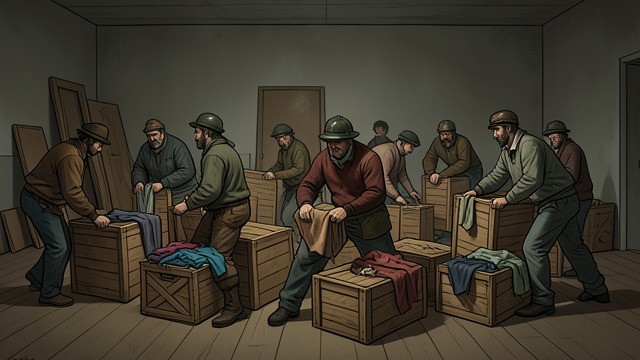
Packing Everything
A household made portable
Residents fill wooden crates with furniture, clothes, photographs, letters, food, and even trivial keepsakes. Their urgency turns the ordinary contents of a home into a checklist against imagined disappearance.
The refusal to leave a trace
The houses are stripped until bare floors and walls remain. Packing becomes a physical attempt to carry a familiar identity into an uncertain destination.
The Unequal Crate
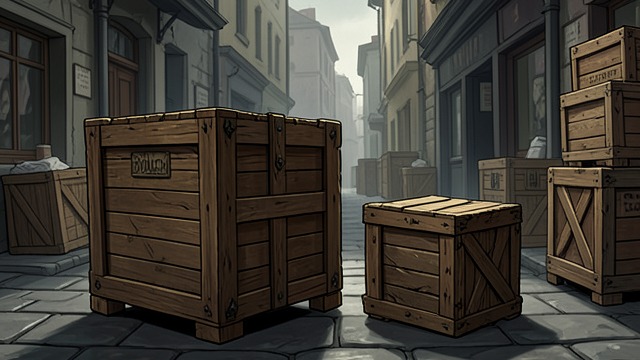
The Unequal Crate
Wealth made visible
Rich residents commission large, carefully built crates; poorer families construct smaller containers from scraps, tin, and damaged wood. Even in flight, class differences shape how much of life can be saved.
A portable hierarchy
Crates make wealth visible in the streets where the households themselves are being abandoned. The improvised wooden city preserves the social distinctions of the old city while preparing to move elsewhere.
Cargo Beyond the Horizon
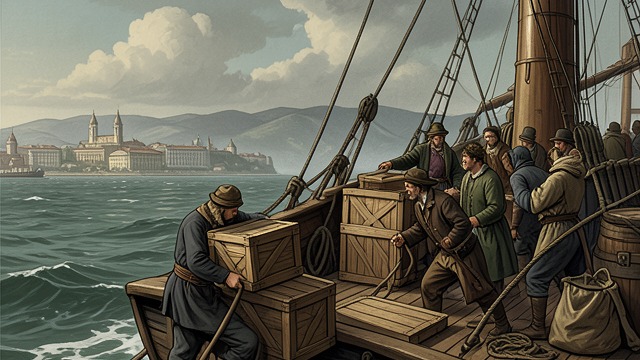
Cargo Beyond the Horizon
The wooden city sails
The crates are taken to ships and leave Luanda in separate groups for destinations overseas. From the shore, the evacuation resembles a city disappearing into the sea.
Property and belonging
An Angolan soldier says that the departing residents have taken everything, then insists that what remains is theirs. The shipment becomes more than cargo: it is a visible transfer of possessions alongside a newly claimed country.
Late September 1975
October 1975
November 1975
